Practical reading for custom bamboo furniture projects. Work through the brief, compare proposals, review samples and prepare for delivery with checklists you can use in the next conversation.
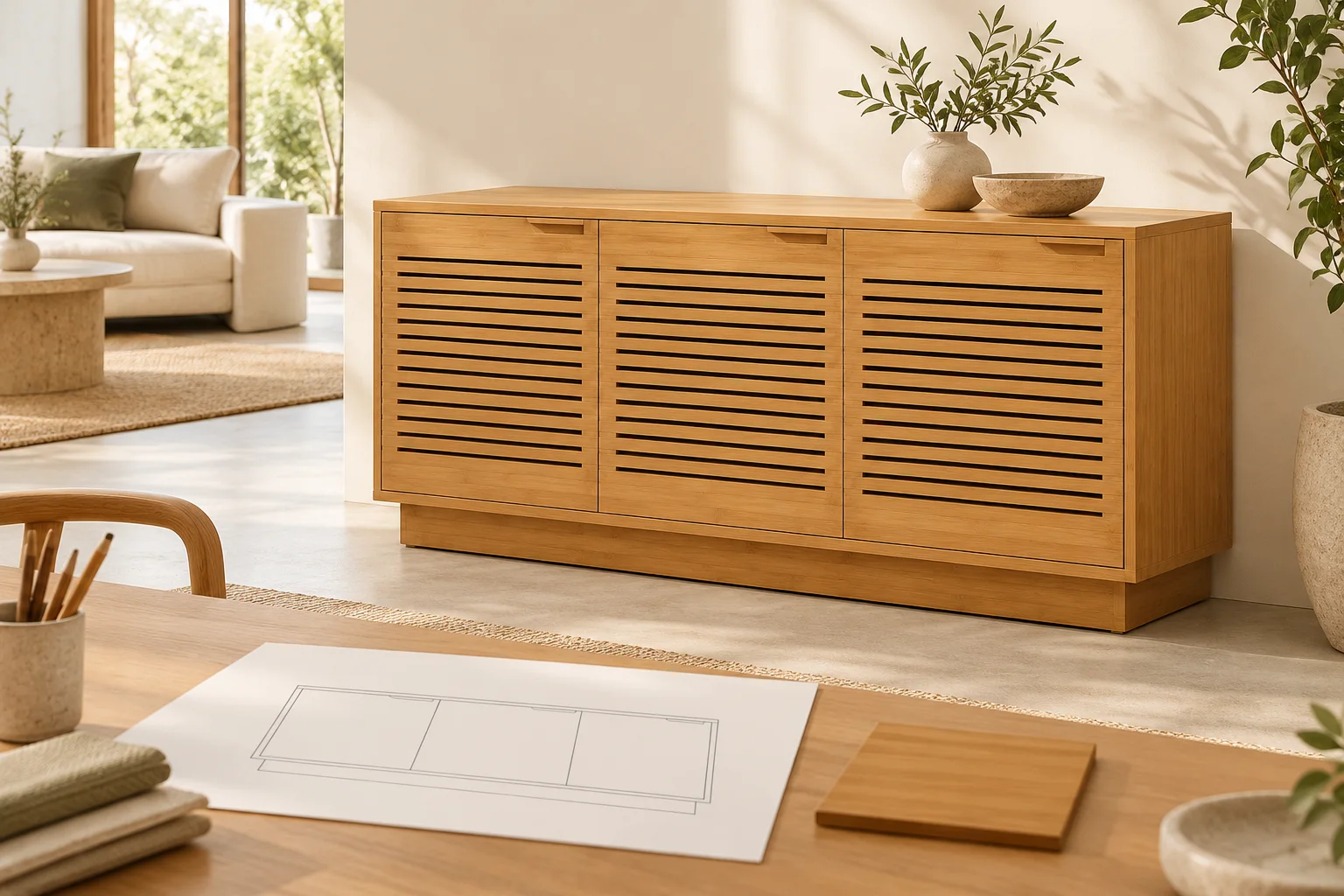
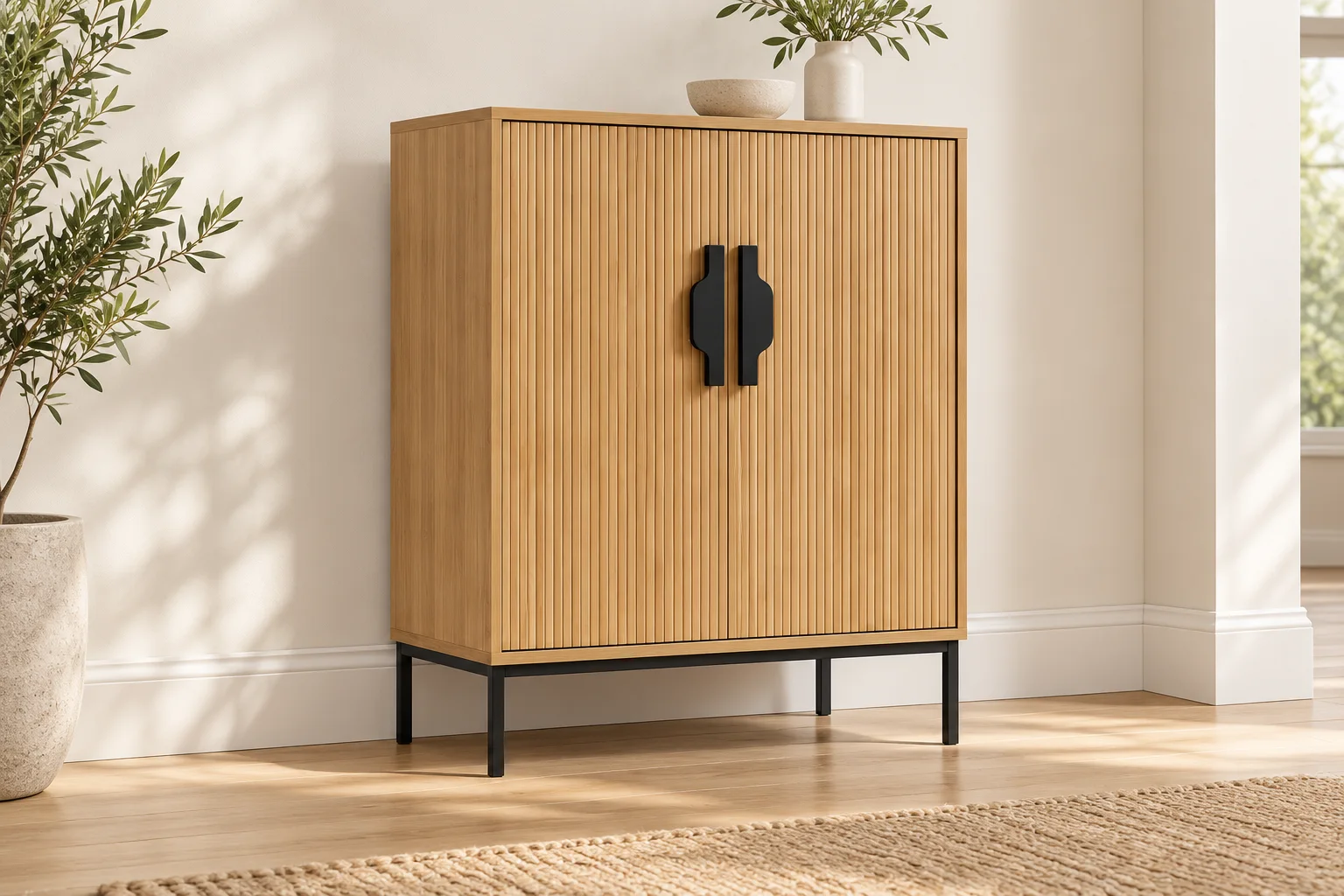
Check cabinet placement against finished skirting boards and wall projections. Record rear offsets, top gaps and approved fixing rather than assuming a flush fit.
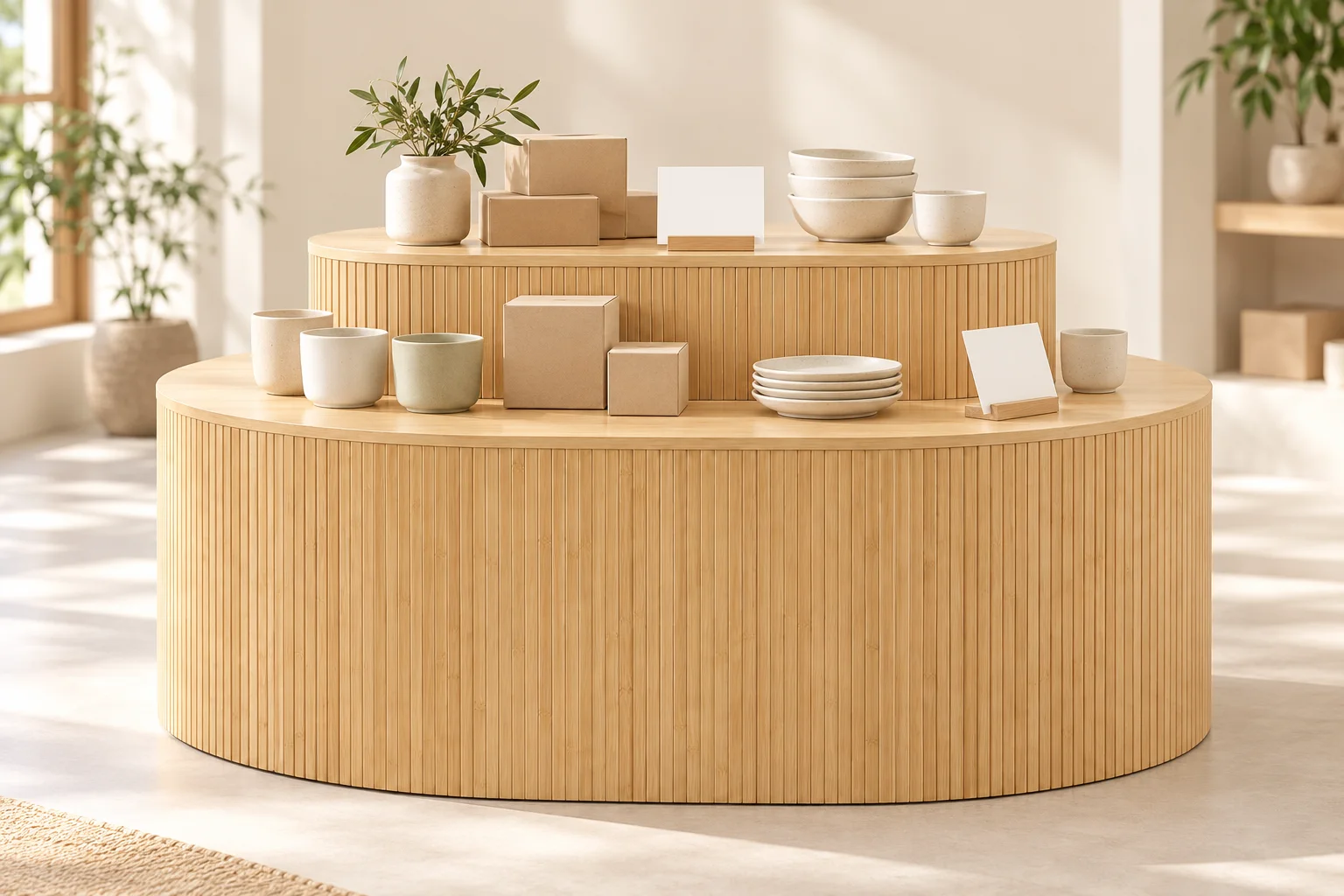
Plan price cards and changeable signs on retail display furniture. Check reading direction, merchandise access and attachment without assuming supplied sign fittings.
Review a hotel furniture mock-up through guest and housekeeping routines. Record conflicts between approved items without treating one room as approval of every layout.
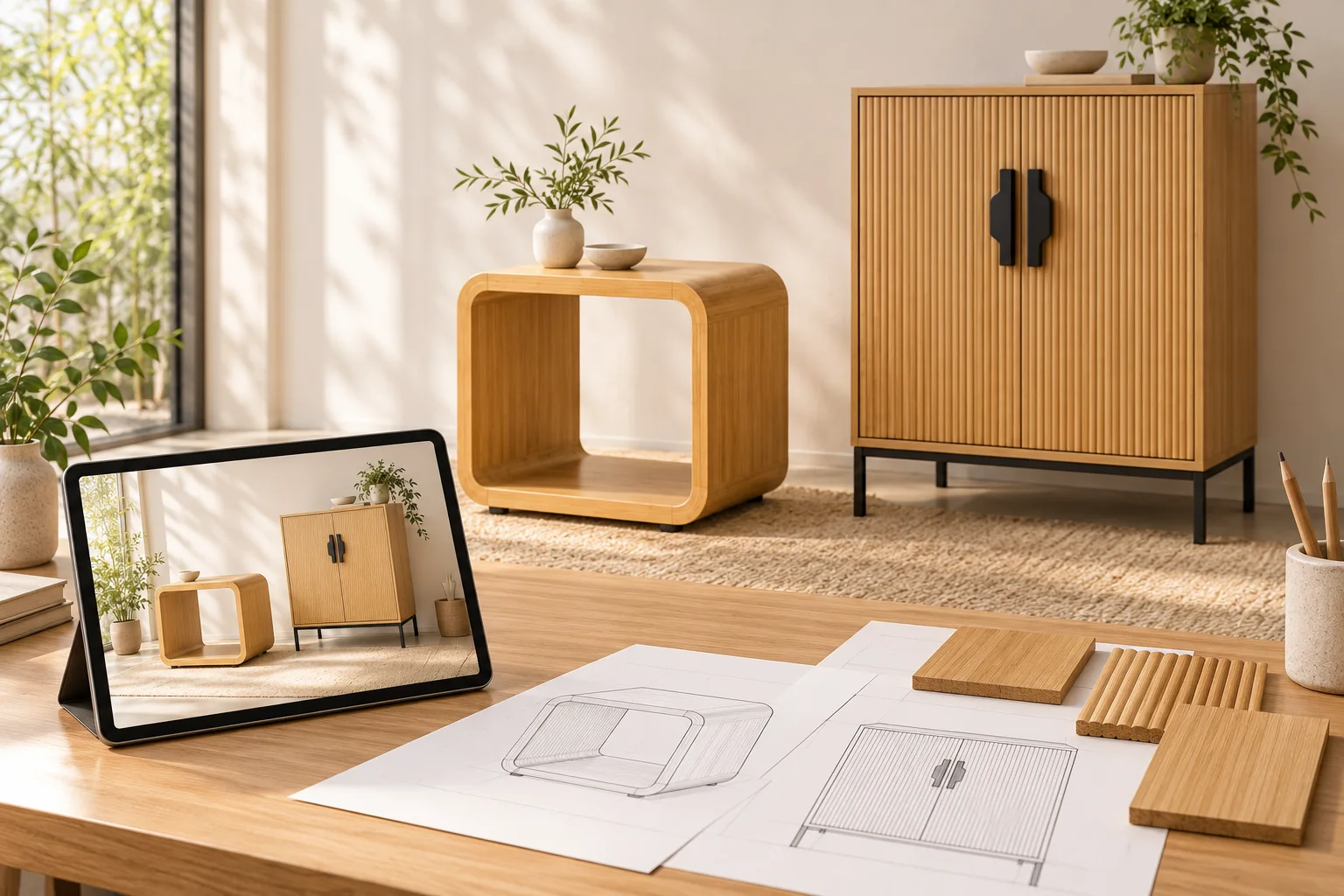
Use furniture renderings for design direction, not hidden construction or proof of a completed project. Connect visual requests to drawings and physical sample evidence.
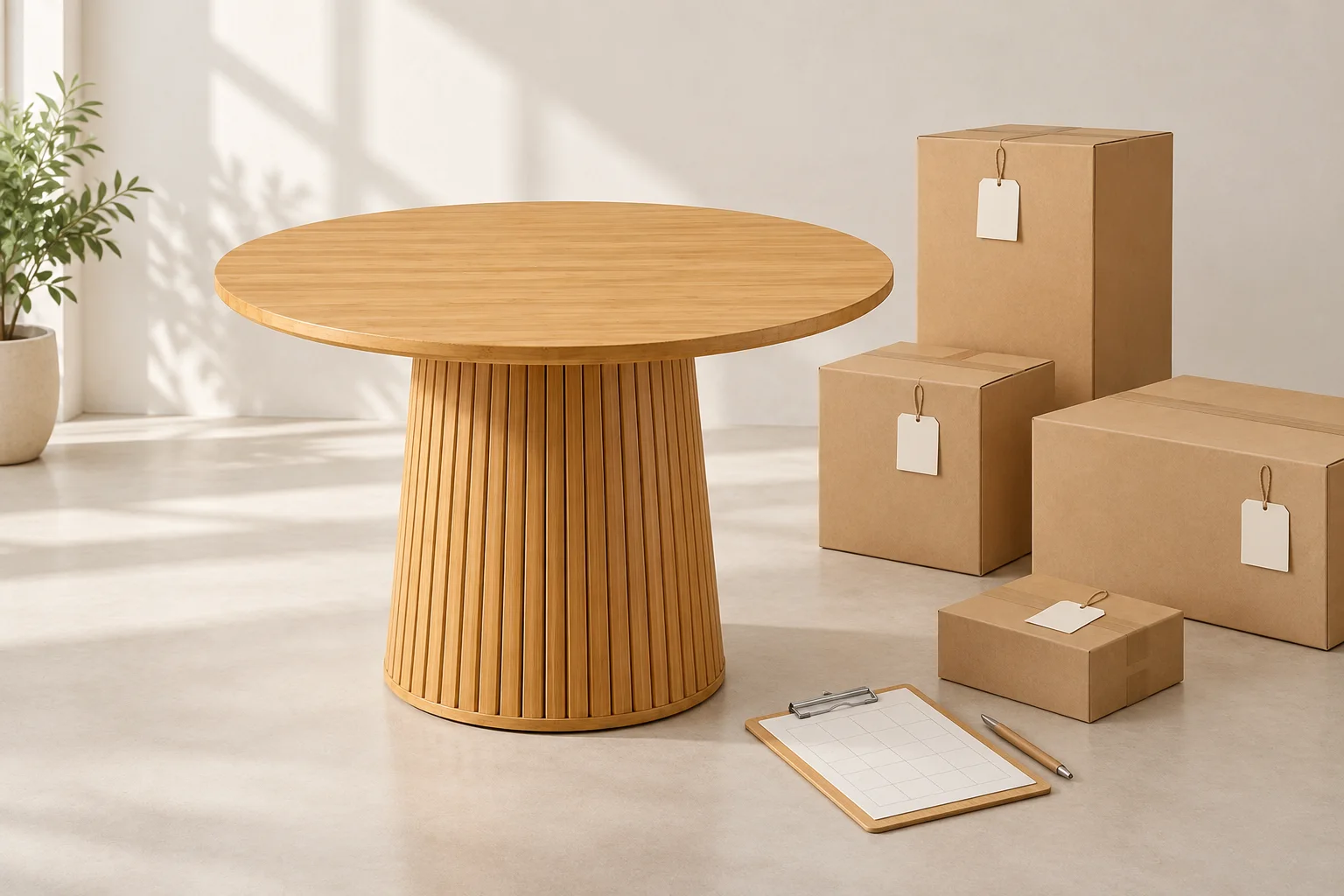
Reconcile furniture cartons with complete item sets at receiving. Keep package condition, missing components and readiness for installation in separate records.
Review a covered terrace by its actual exposure before choosing indoor furniture. Ask about the complete assembly; do not infer outdoor suitability from bamboo or a roof.
Agree instruction languages and part references for furniture installation. Connect translated text to drawings and supplied components without inventing assembly steps.
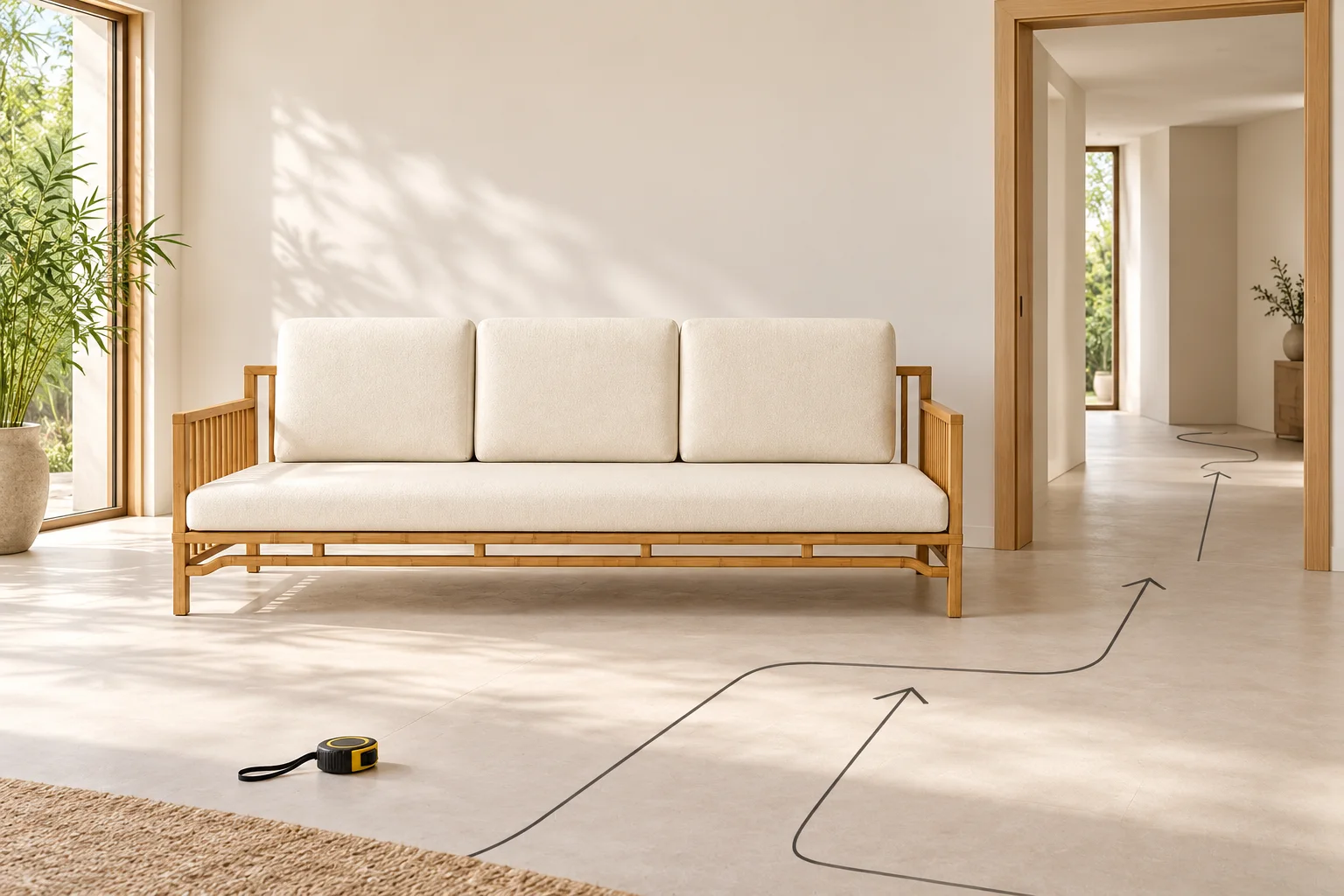
Plan large furniture delivery through doors, lifts and corners using the largest approved delivery piece. Separate room fit from building access and assembly scope.
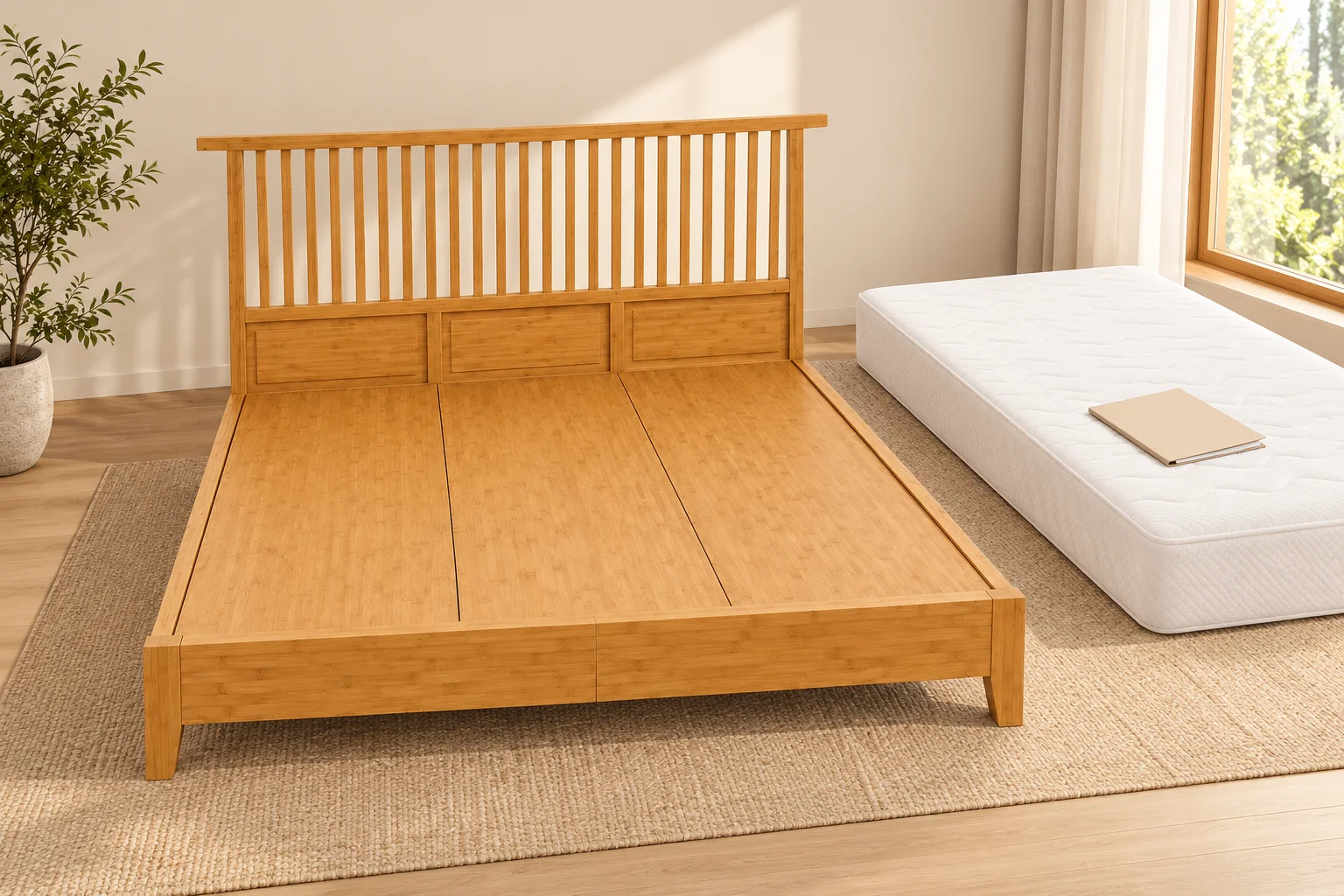
Match a project mattress to its approved bed-base support. Ask for the underside drawing and supplier requirements; a slatted headboard does not describe the base.
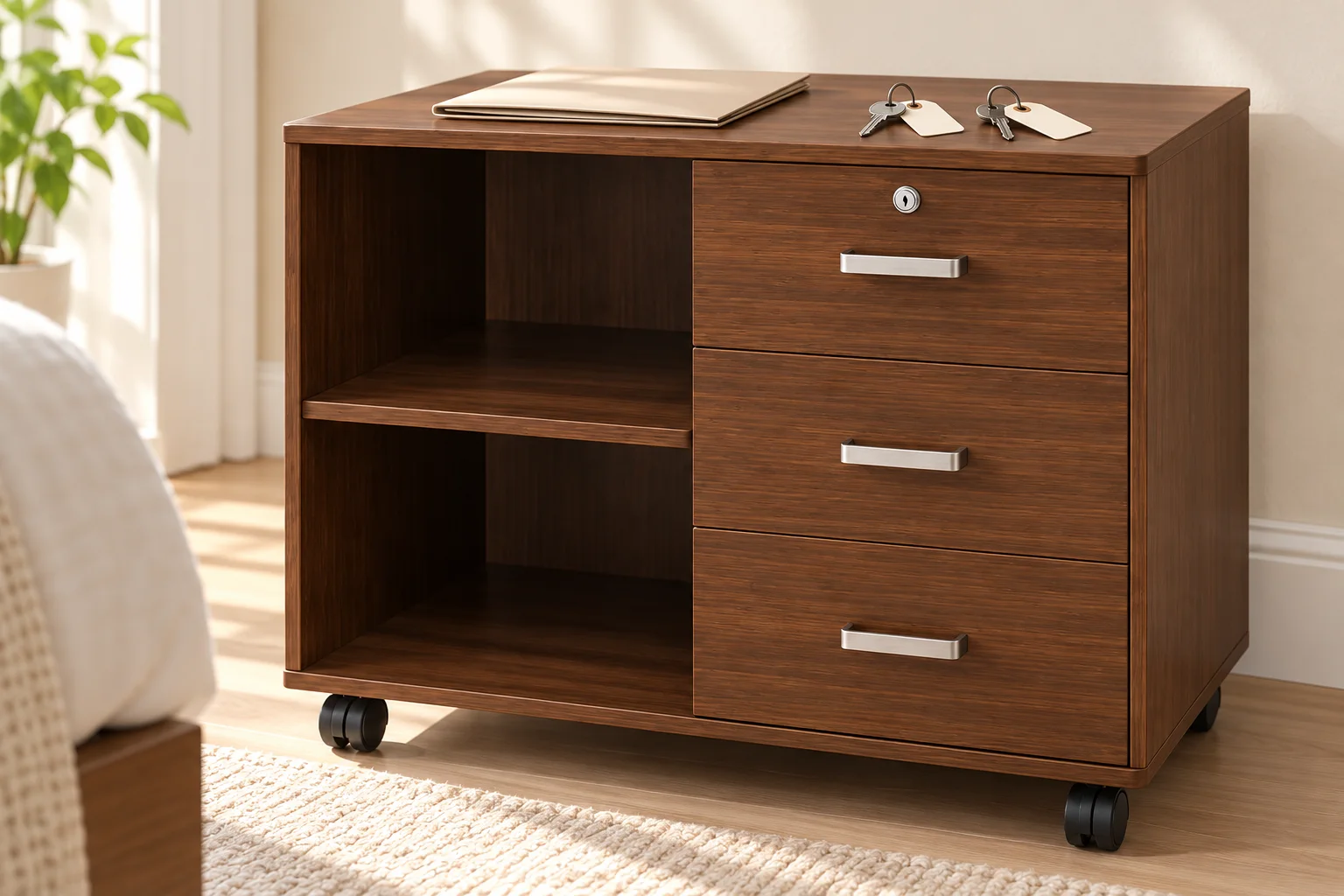
Specify a lockable bedside drawer by contents, key allocation and room handover. Keep drawer locking separate from wheel brakes and rated security storage.