Practical reading for custom bamboo furniture projects. Work through the brief, compare proposals, review samples and prepare for delivery with checklists you can use in the next conversation.
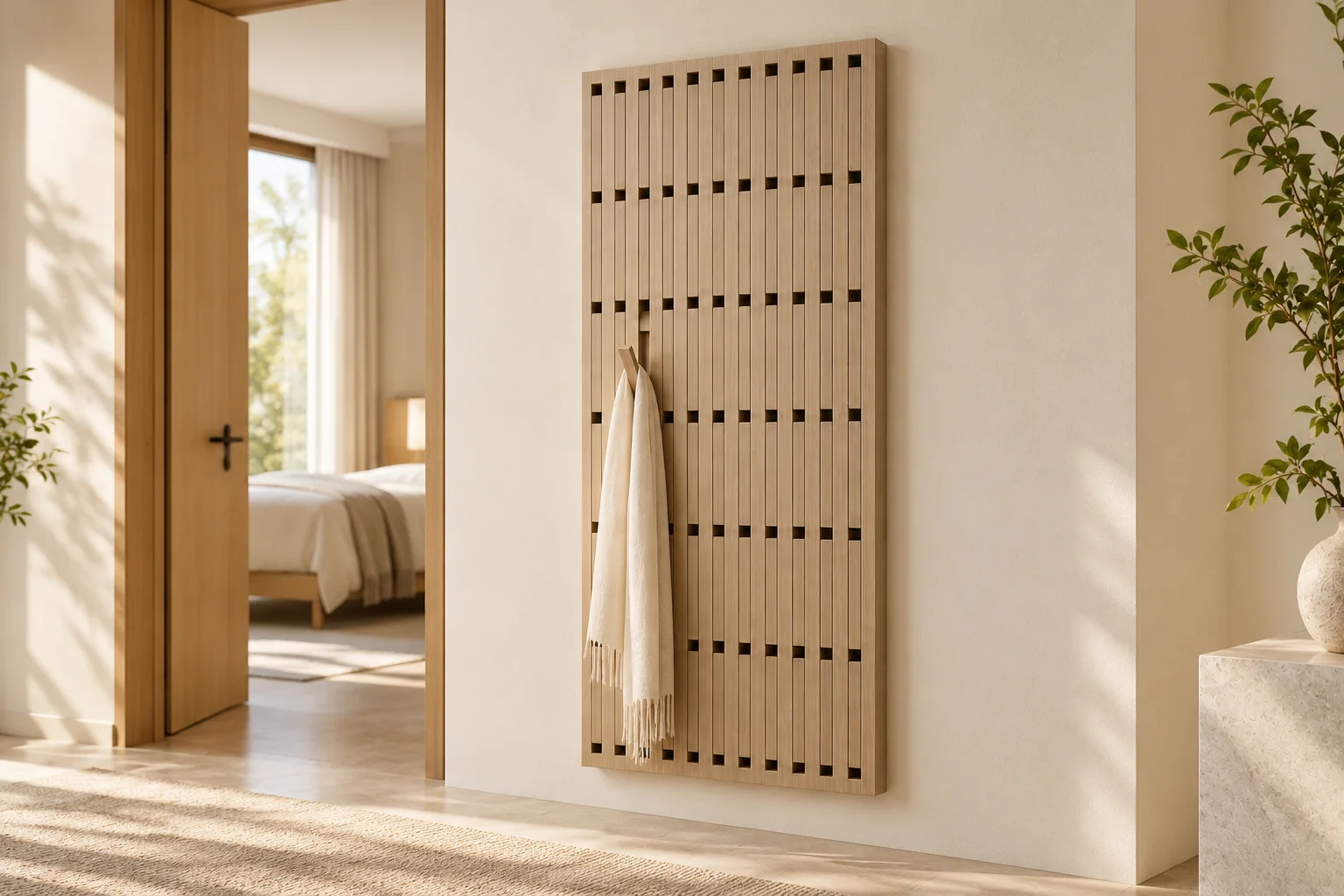
Review flip-out wall hooks with actual hanging items, neighboring hooks and closure. Confirm operating geometry separately from load capacity and wall fixing.
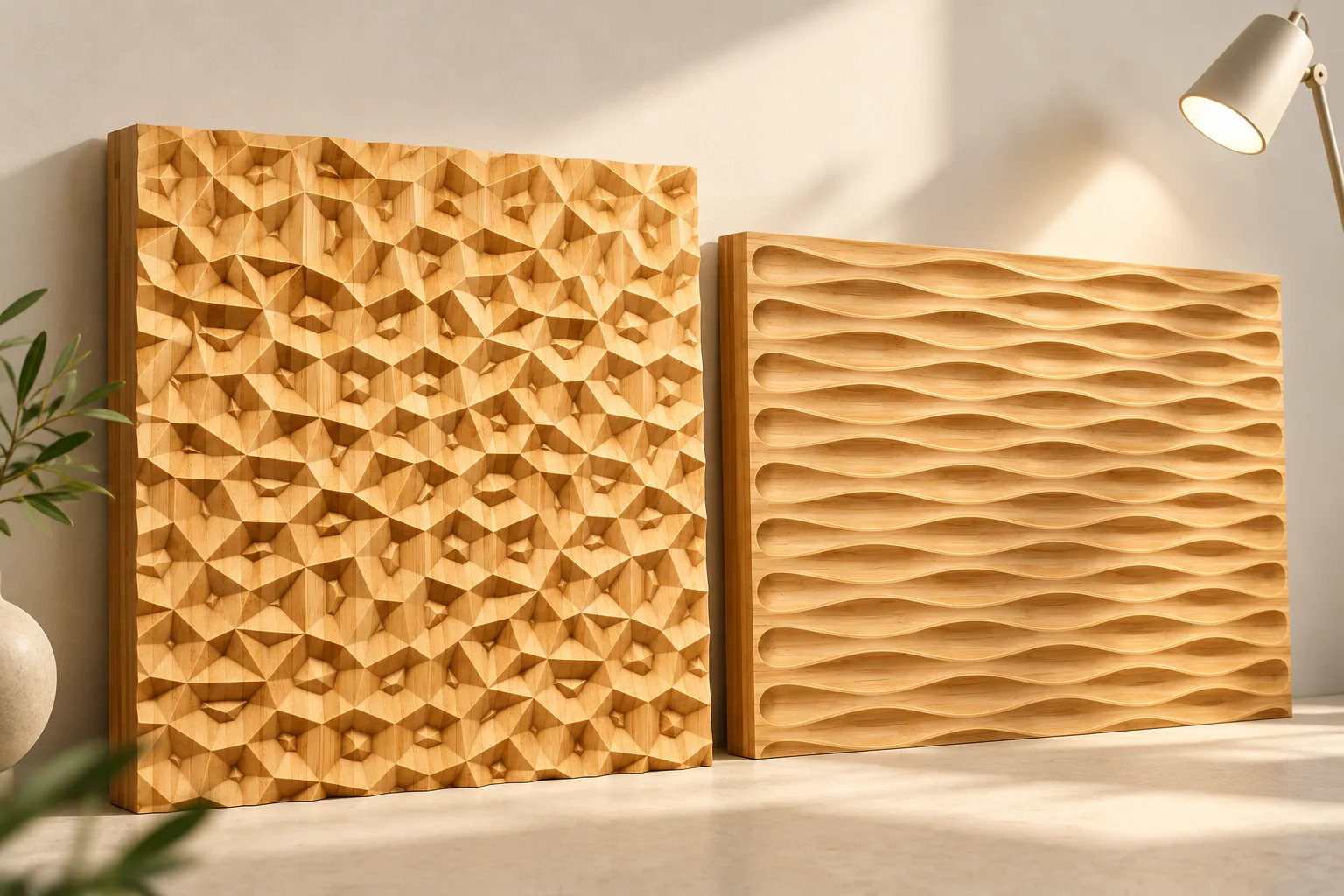
Compare physical 3D wall-panel relief under the intended light direction and viewing positions. Separate texture approval from lighting and performance claims.
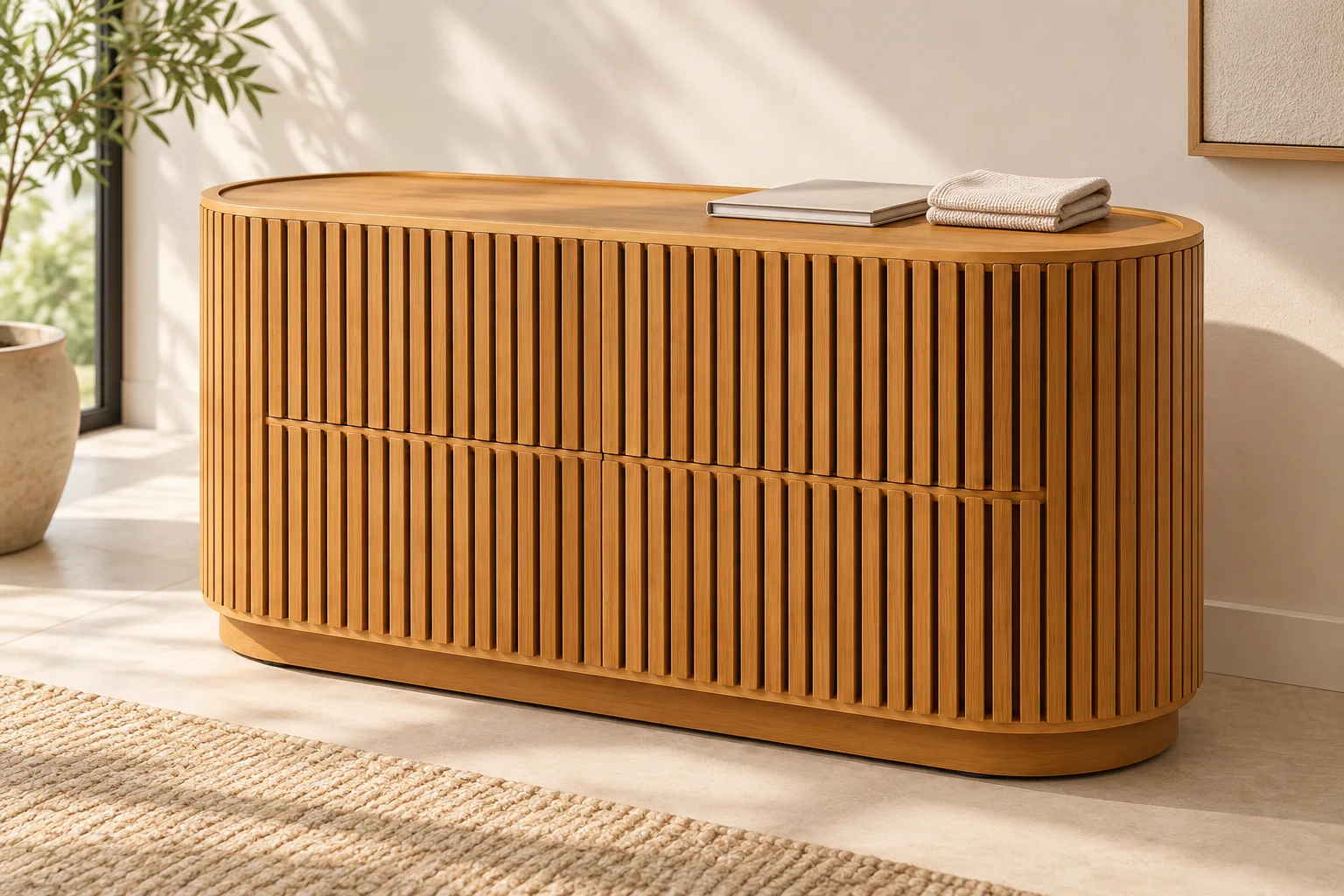
Review cleaning access on a finished fluted cabinet front. Confirm care for grooves, edges and hardware instead of applying flat-swatch assumptions to the whole cabinet.
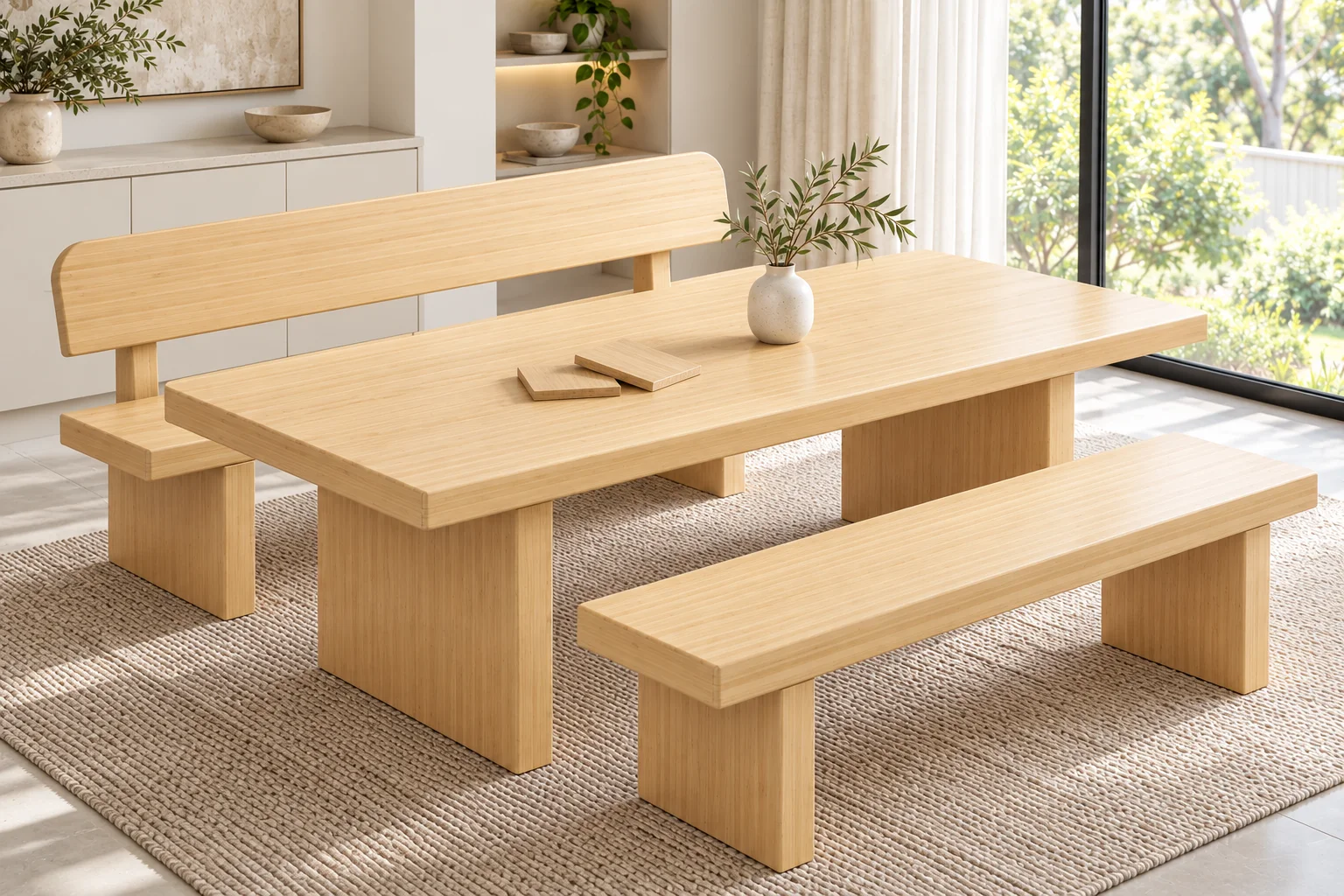
Specify grain direction across tabletops, cabinet fronts and wall-panel faces. Separate a shared finish from continuous grain and keep face arrows on the drawing.
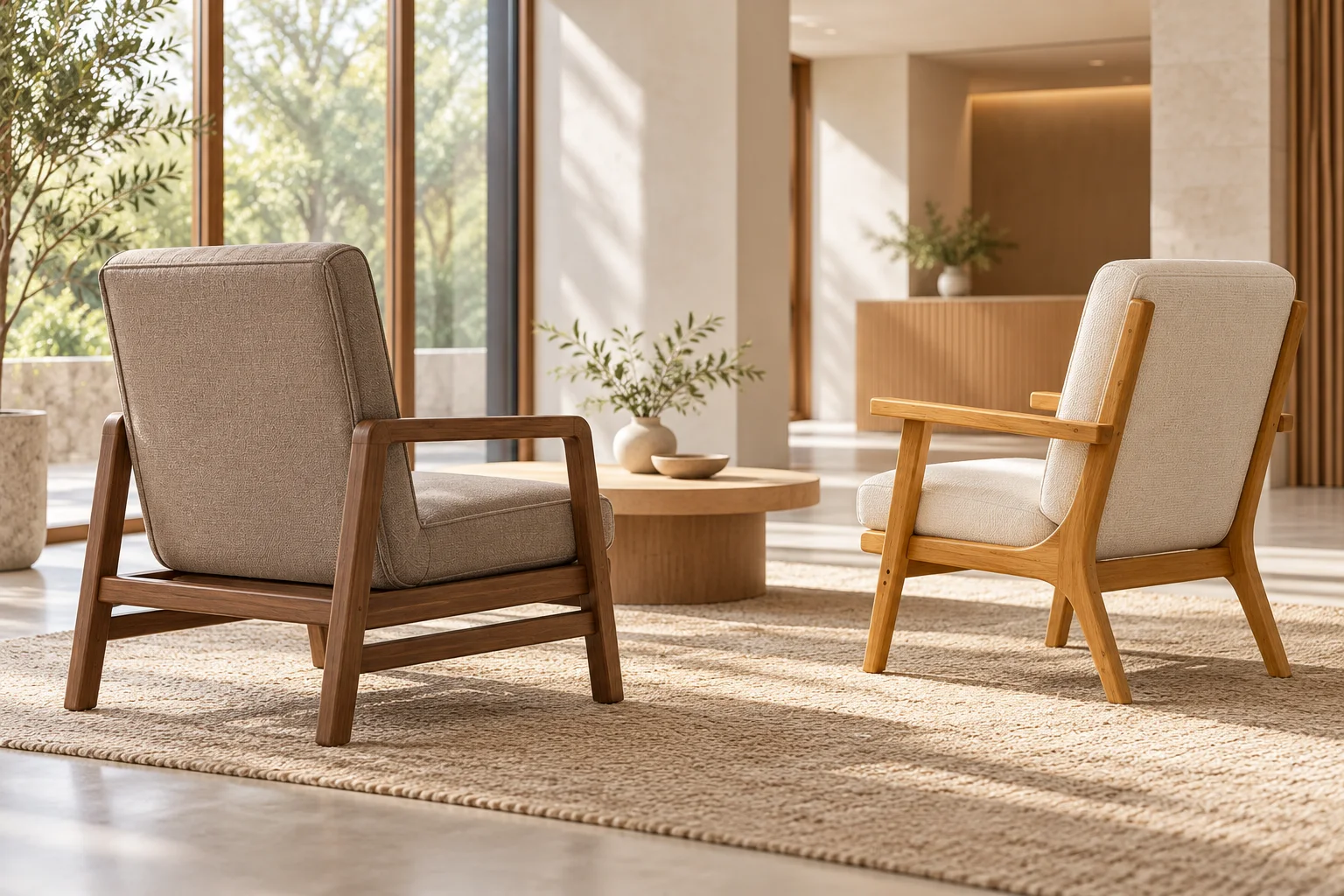
Choose lounge chair back proportions using real views toward windows, counters and entrances. Review seated and standing positions instead of the empty plan alone.
Specify handed cabinets and reception layouts with a named viewpoint and room anchor. Distinguish rotating the item from mirroring its functional arrangement.
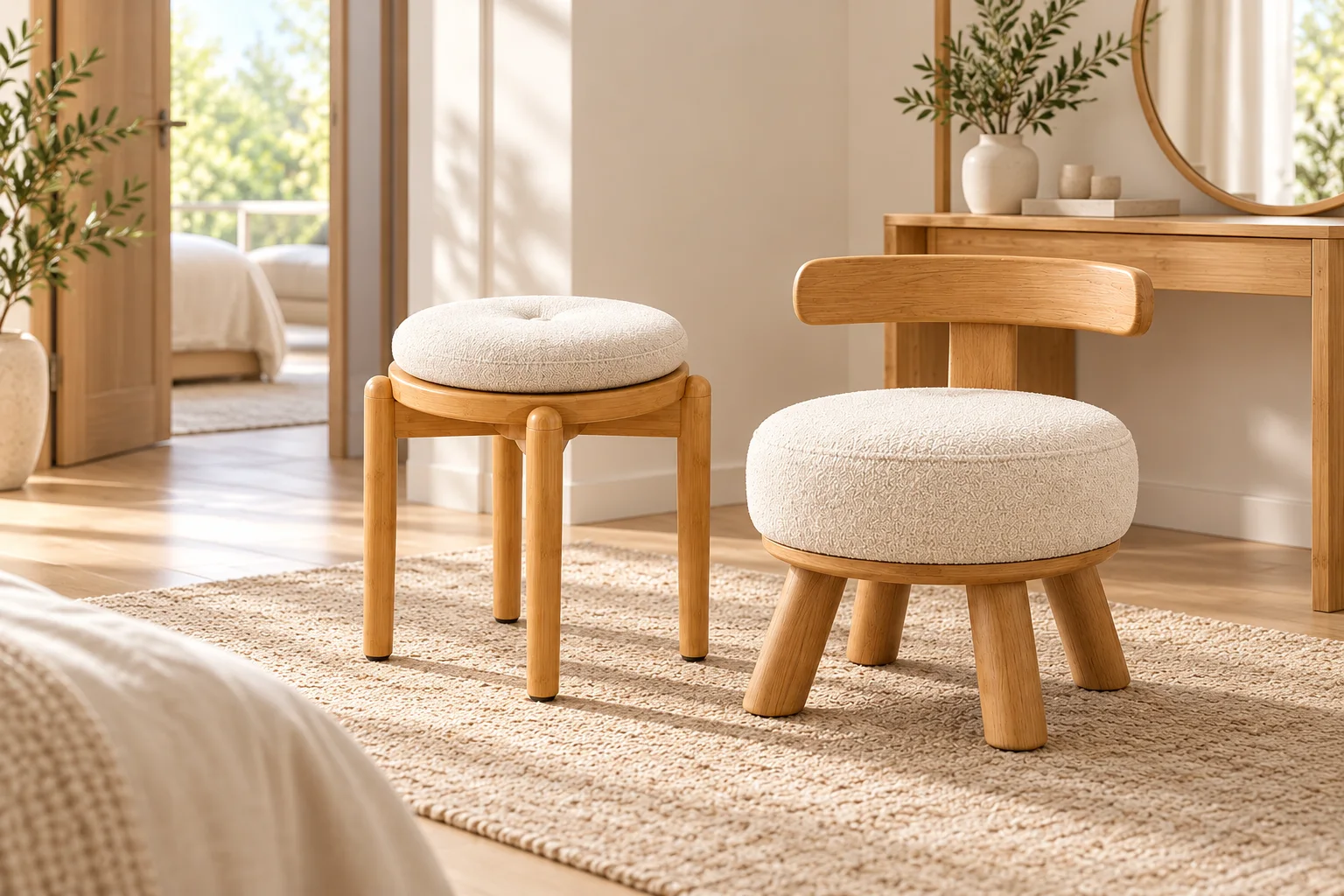
Choose a guestroom accent stool by its seating task, backrest and occupied placement. Compare two bamboo design references without assuming stacking or bar height.
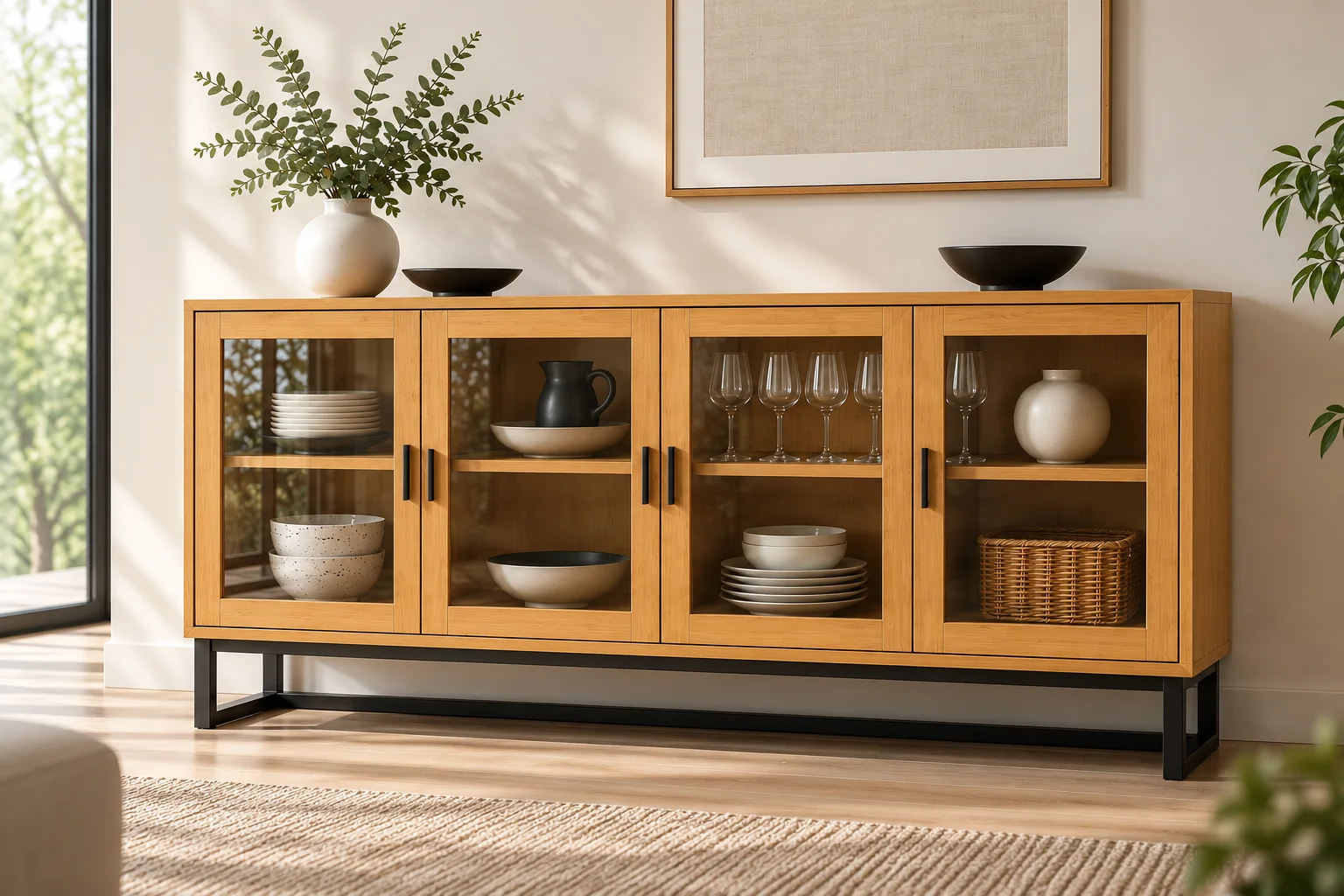
Choose a glass-door display cabinet by what remains visible through closed doors. Check framing, reflections, shelf presentation and the agreed glass specification.
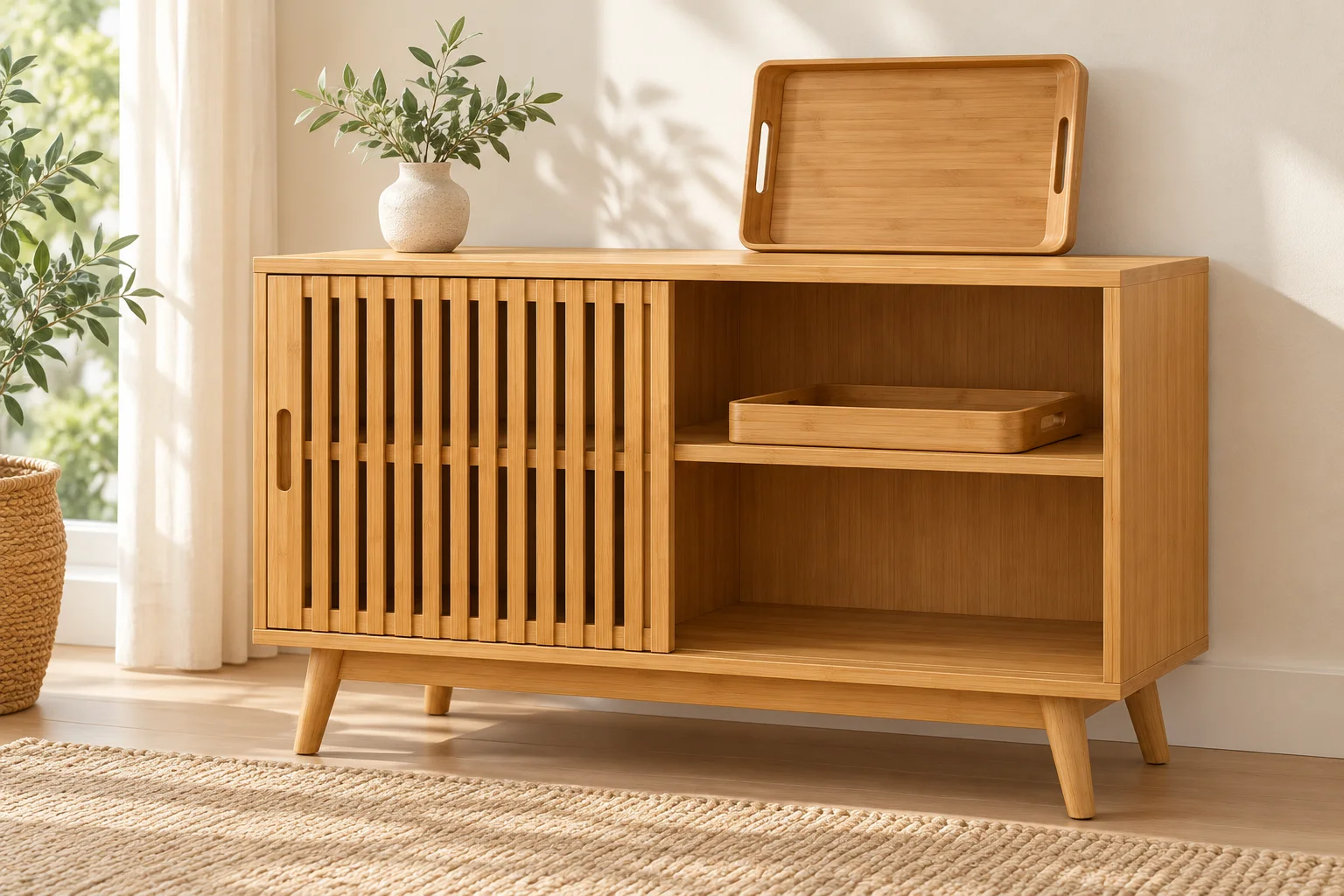
Review sliding-door sideboards at each panel position. Confirm the clear opening, shelf access and door travel rather than assuming the whole interior opens.
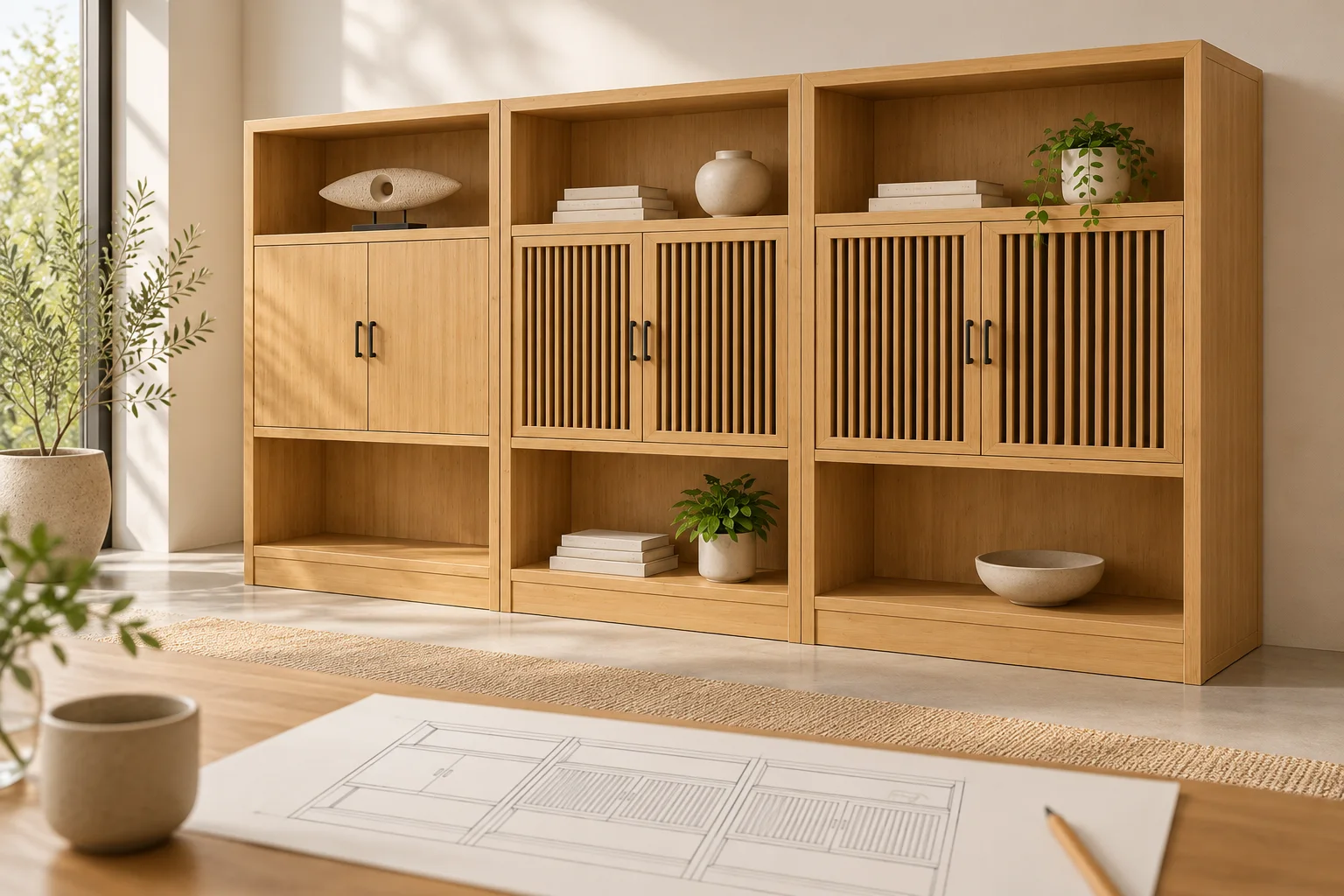
Specify modular storage cabinet boundaries, end panels and connections. Separate a configurable design from promises of interchangeable or future-stock modules.
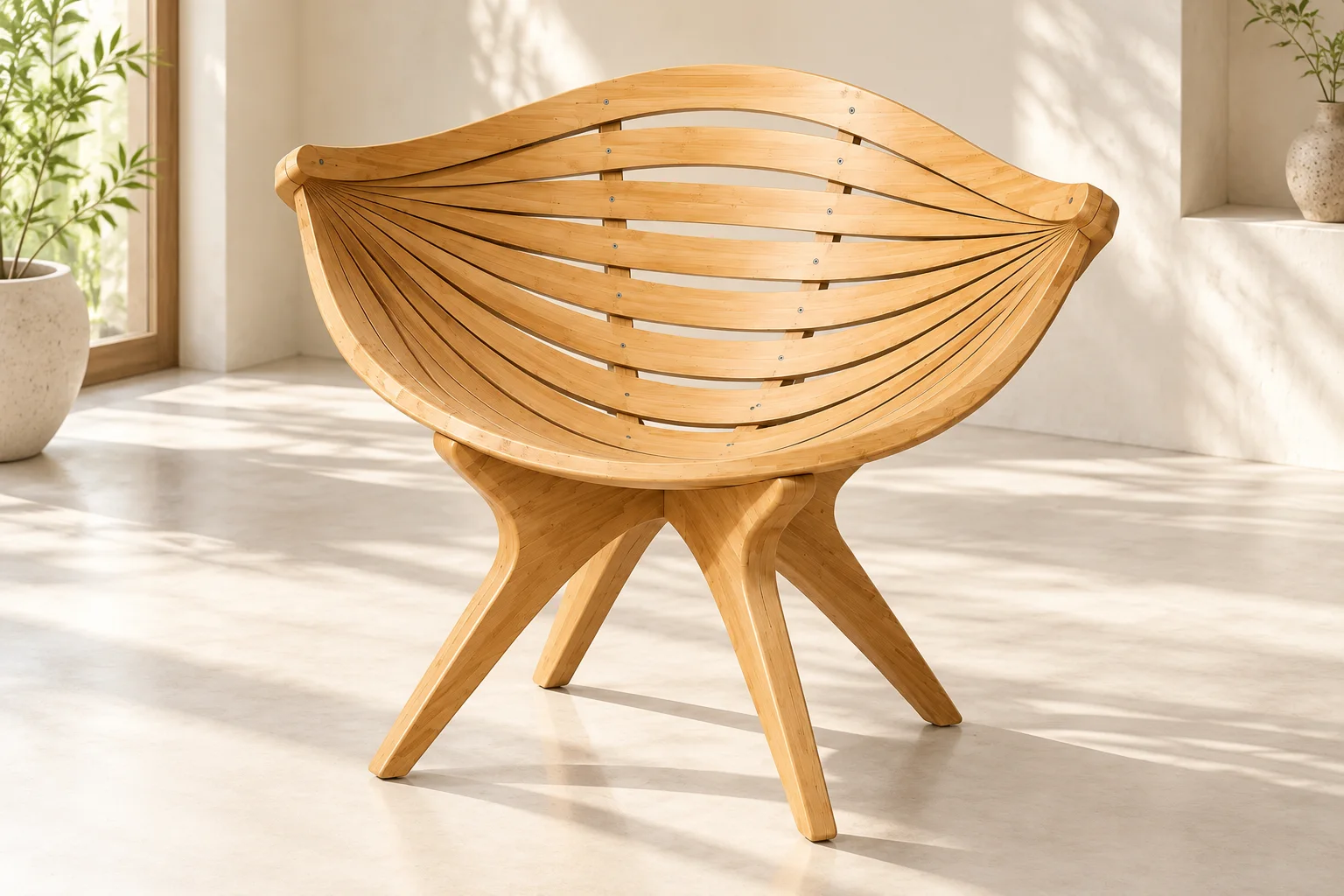
Evaluate sculptural lounge chairs through seated contact, curved slats and standing up. Keep the physical sample decision separate from the visual silhouette.